
NightRecord Series · Second Game
NightRecord : Duty
You approve the records. Nobody told you what you're closing.
The Steam store page hasn't launched yet. This is where we'll announce it first.
You approve the records. Nobody told you what you're closing.
The Steam store page hasn't launched yet. This is where we'll announce it first.
A new hire begins the night shift in a hospital archive, assigned to scan decades of patient records into the system. The first nights feel like ordinary work: dusty folders, the hum of fluorescent light, empty corridors.
But the deeper the files go, the less they add up — dates that don't match, gaps nobody explains, names struck through. Every file you approve feels like closing a door. Nobody ever told you what was behind it.
RECORD 0447 — admitted 12.11.1994, discharged 09.11.1994.
No irregularity detected. Approve.
Anomaly horror is a horror subgenre built on learning a repeating routine and then noticing the details that deviate from it. The threat doesn't chase you; it settles into the familiar. The tension comes not from something attacking, but from something being out of place.
In Duty, that routine is processing files on the night shift. You read a record, cross-check the details, approve it. By the hundredth file the motion is reflex — and that is exactly where one of the dates stops matching. The question the game asks is simple: once you notice, what do you do?
We've written up the design thinking behind this approach on the blog: psychological horror game design, environmental storytelling in horror and horror game sound design.
The game is in early development. What follows is our current design direction — this page will be updated as the systems firm up.
Every night starts with a stack of files. The work ends, the lights go out, and the next night you sit at the same desk. Repetition carries the horror — because only repetition makes a deviation visible.
The room number on the file and the door you see in the corridor don't agree. The anomaly isn't only on the screen; it's in the building.
Every file is a decision: pass it, flag it, or question it. Approving is always the easy one. The game never tells you what you should do — it only records what you did.
Archive room, reception, outpatient wings, the staff floor and the stairwells — all one building. The hospital is empty for your whole shift. It's supposed to be.
Light and sound carry the atmosphere, not jump scares: Lumen-based fluorescent lighting, the room tone of an empty corridor, and the moment that hum cuts out.
The narrative lives in the documents, not in cutscenes. If a patient's name appears three times, nobody will explain why the third one is spelled differently.
Early development captures taken in Unreal Engine 5. Lighting and final polish will change; the space itself is this.
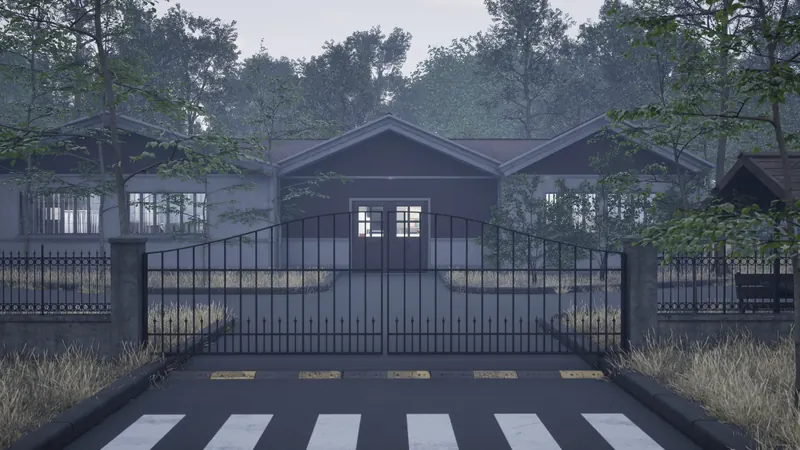
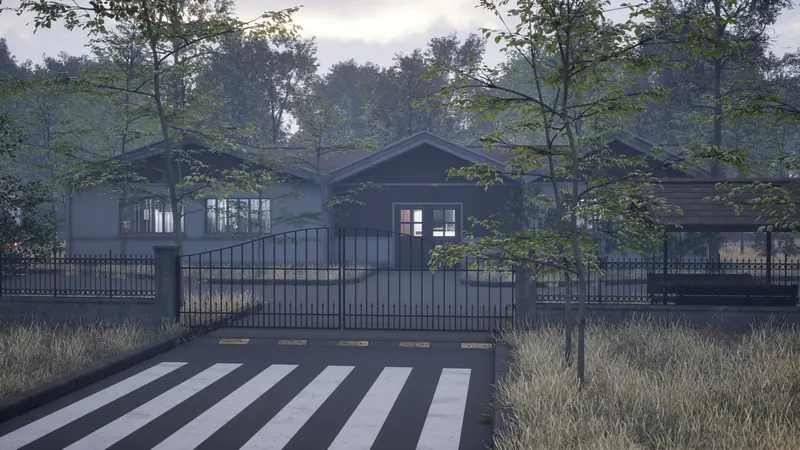
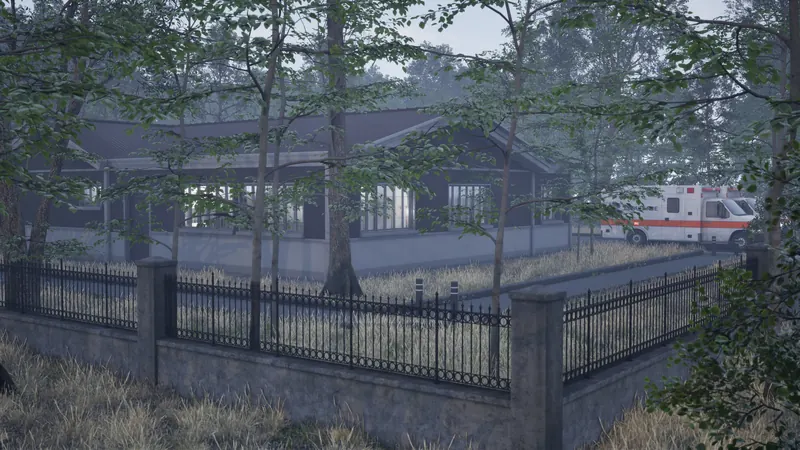
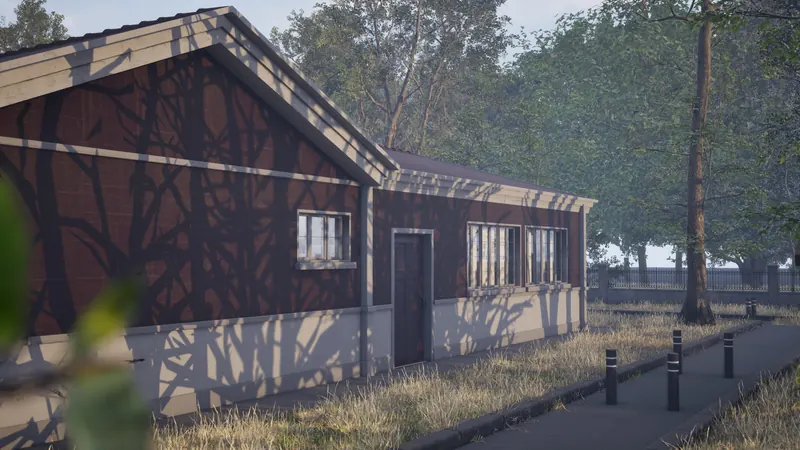
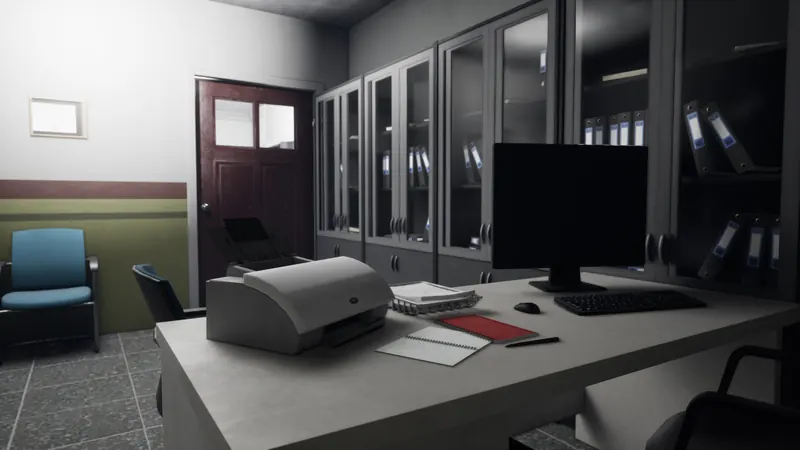
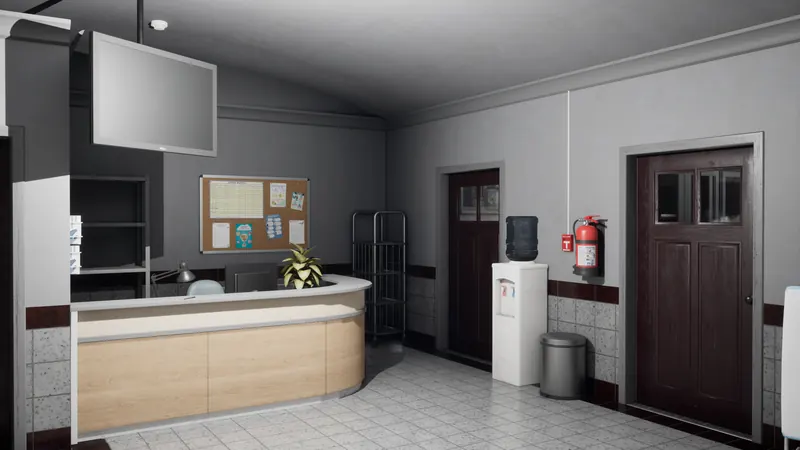
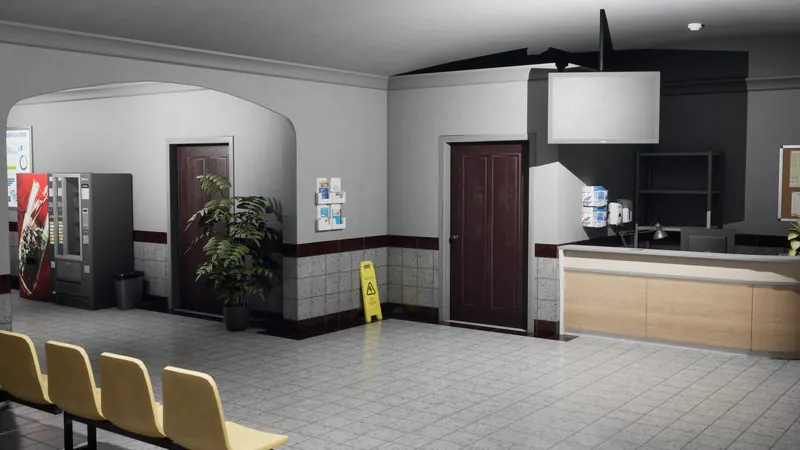
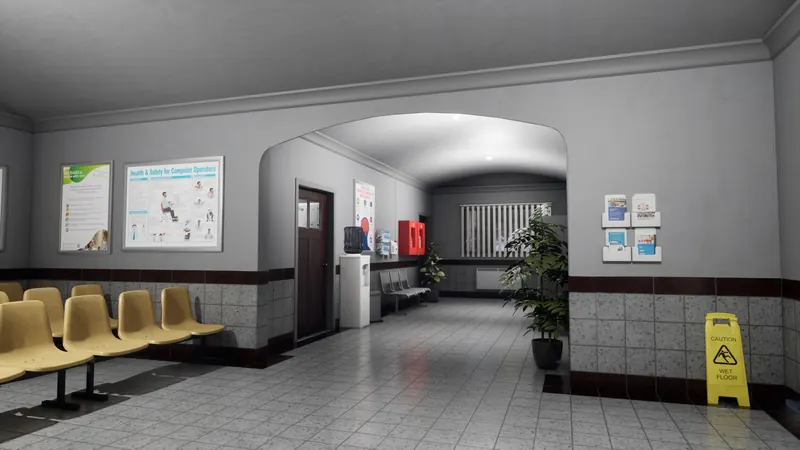
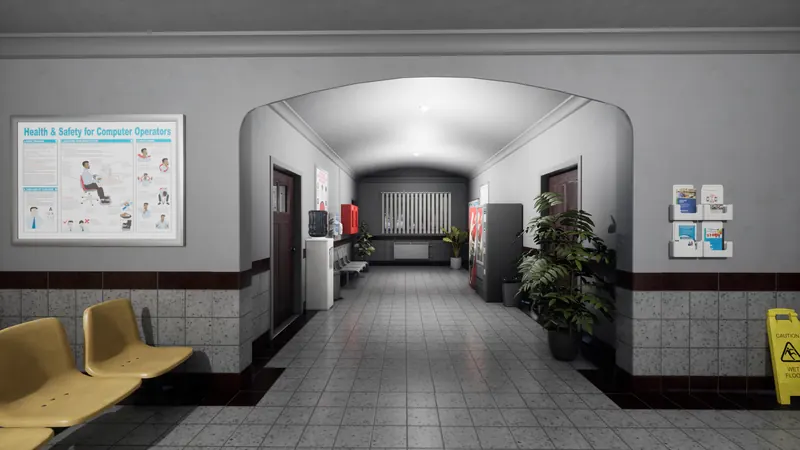
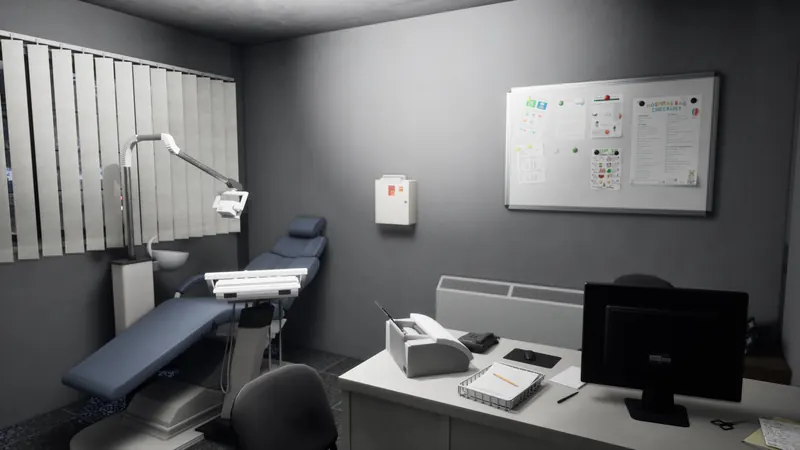
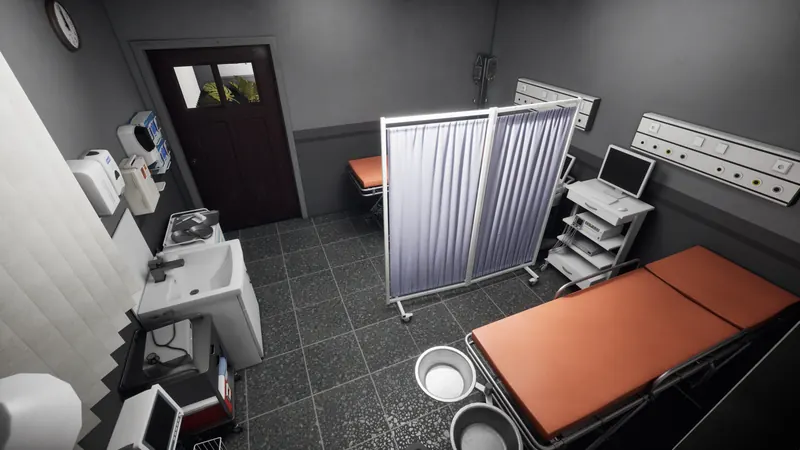
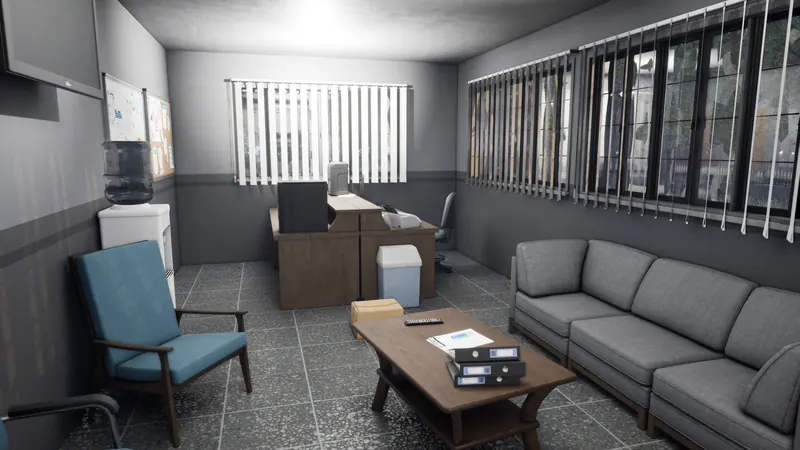
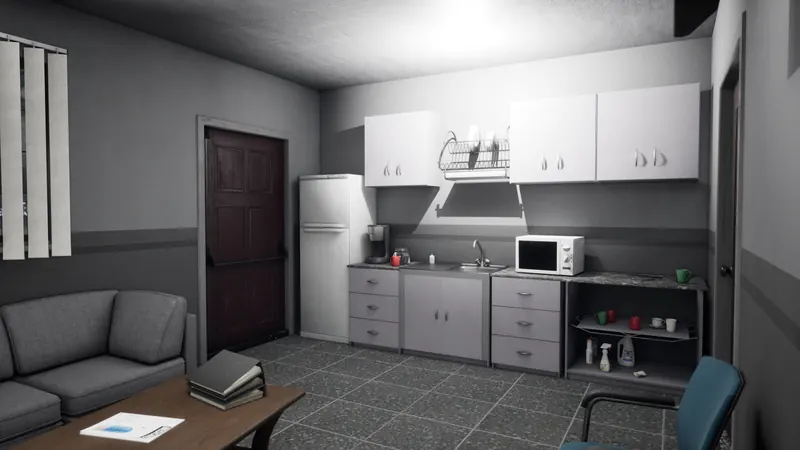
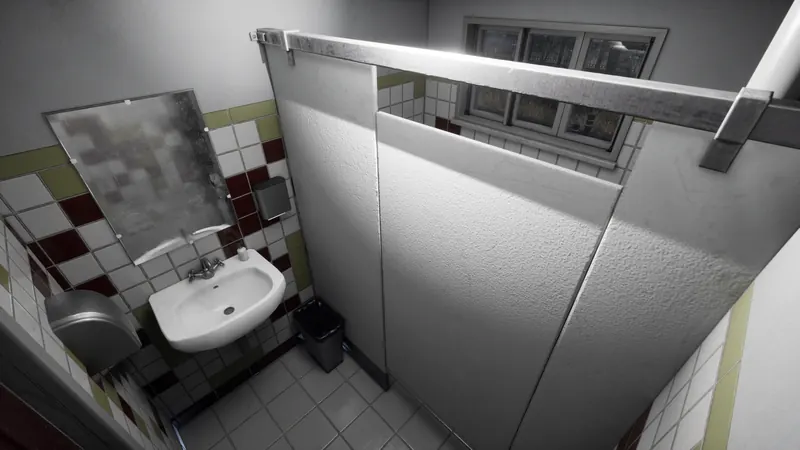
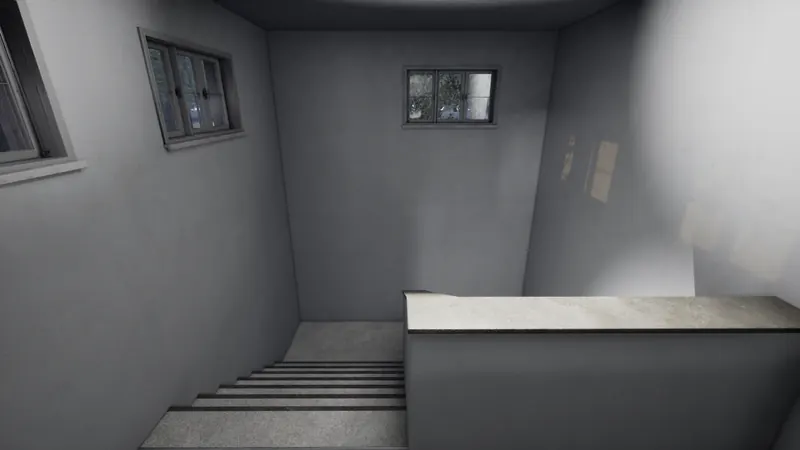
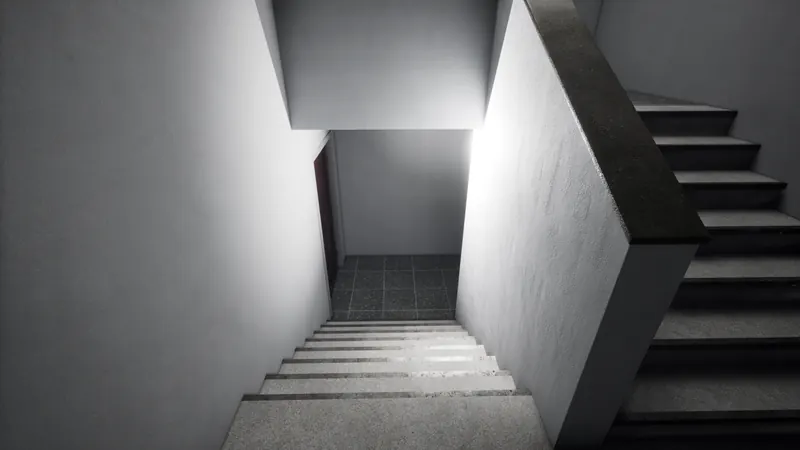
Production began on the second game in the NightRecord series. The first goal: get the whole hospital standing as a space you can walk.
The archive room, corridors, outpatient wings and stairwells are past blocking. The screenshots above come from that work.
A playable version of the file-processing loop, then the first trailer and the Steam store page. We'll announce dates here as they firm up.
For release notes and detailed progress, see the dev log.
We email store page and trailer announcements. No spam — only NightRecord: Duty milestones.
In the meantime you can play the first game in the series: NightRecord: Thin Walls — out now on Steam.